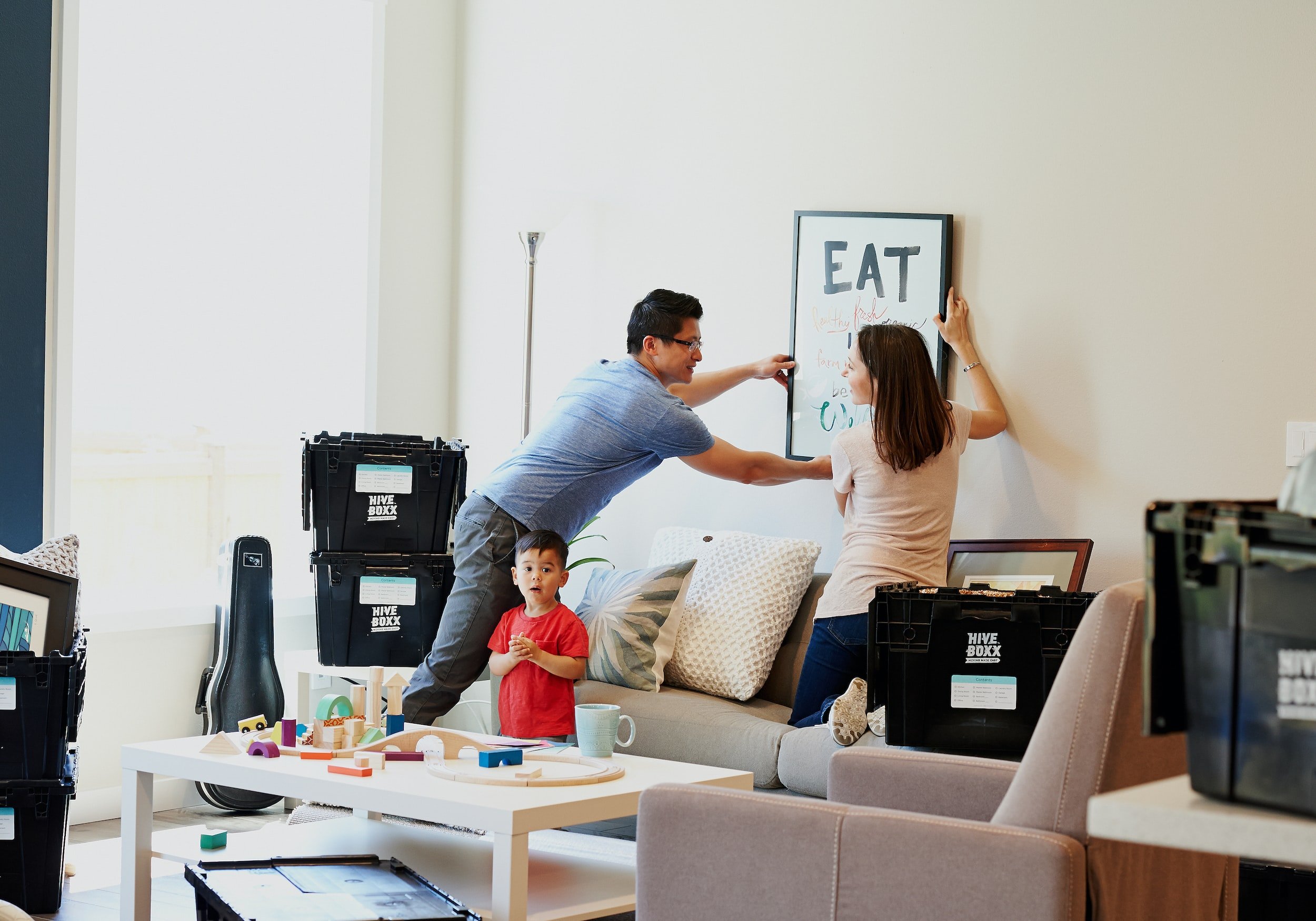
Are you considering moving during the school year? Discover our guide to making a mid-school-year move easier, including the advantages and disadvantages, and our tips for managing a mid-year relocation as smoothly as possible.
Moving during the school year has both advantages and disadvantages. For a child, moving can be seen as a great adventure. While it can have a psychological impact and raise fears, there are many positive aspects to highlight when moving mid-school-year.
A mid-school-year move can have a psychological impact on a child. Moving often means losing familiar landmarks and routines, as your child changes environment. This is why moving can become a period of worry for your child, and questions may overwhelm them: Why are we moving? Where are we moving to? Moving means imagining living in a new space, and such a concept is too abstract for a child whose development is still in progress. Therefore, while the psychological impact of a move on a child should not be underestimated, it is completely normal for them to feel anxiety.
However, moving during the school year does not necessarily equate to stress and negative psychological impact. It is important to highlight the positive aspects of the move with your child. Emphasizing the positive aspects of moving can help your children better understand this change.
For example:
Take into account your children's potential fears and try to find a positive way to see things so they look forward to moving with you! Find more tips on preparing a child for a move here.
Changing schools during the school year is a significant challenge. Your child will experience a disruption of their familiar routines and environment at school, including with their friends, which is a form of separation that will be out of the ordinary. To anticipate this change, we advise planning and discussing it with your child as early as possible so they can prepare as best as possible. Discussing it with the teaching staff as soon as your decision is made can also help ensure a smooth transition. The educational team can implement a transition plan to help your child manage their mid-school-year move.
Always take the time to talk with your children. Explain why you are moving during the school year and observe their reactions. Involving your child in the move is a good way to facilitate the transition; for example, it will allow them to ask questions. More generally, it is always helpful to show them what moving means. Reading books about people who move, showing them how to pack boxes, or visiting your future home with your child will give them the feeling of being an integral part of this change.
Don't hesitate to make the move fun. For example, moving to another house will allow you to rethink the decoration, and your children might even be able to choose new wallpaper for their bedroom walls.
If possible, allow your child to say goodbye to their old friends. For example, you could plan a party before the holidays to celebrate their departure and say goodbye to their friends before your move.
During their integration into their new school, your child will need to be listened to. New landmarks, spaces, and people will become part of their daily life. The transition period may be difficult, and they might miss their old school or group of friends. Seize the opportunity to suggest they invite their classmates over for a snack; this could be a way to show them that it's possible to make new friends.
Another idea could be to enroll them in the activities offered by the school (after-school, extracurricular activities) so that your child feels completely integrated into the life of their new establishment.
When changing schools, remember to contact your local town hall if your child attends a public school. If enrolling in a private school, particularly a private bilingual school, the procedures are different and vary on a case-by-case basis.
We hope this article has been useful in helping you best support your move. If your child experiences socialization problems due to the move, you can find our other tips here.